# 4. Make a call

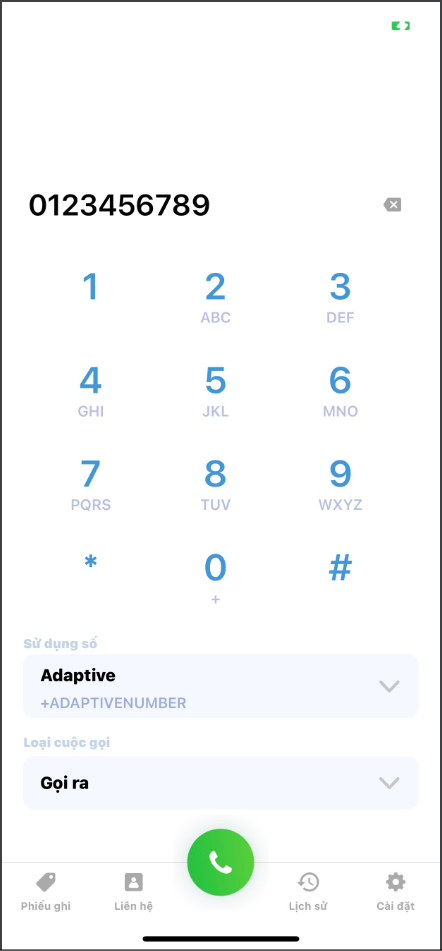
<figure><img src="/files/WLhU5nuuFrp8kXoBhjzp" alt="" width="332"><figcaption><p>Image 1: Softphone interface of App</p></figcaption></figure>

## Softphone interface

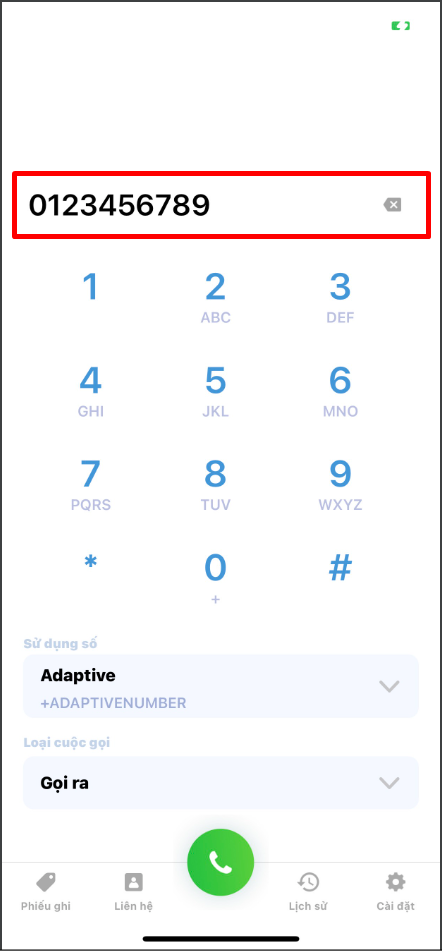
* **Phone number box:** The user enters the phone number to make a call.

<figure><img src="/files/IHWyIQbtsFjzwZgVWCNO" alt="" width="332"><figcaption><p>Image 2: Phone number box</p></figcaption></figure>

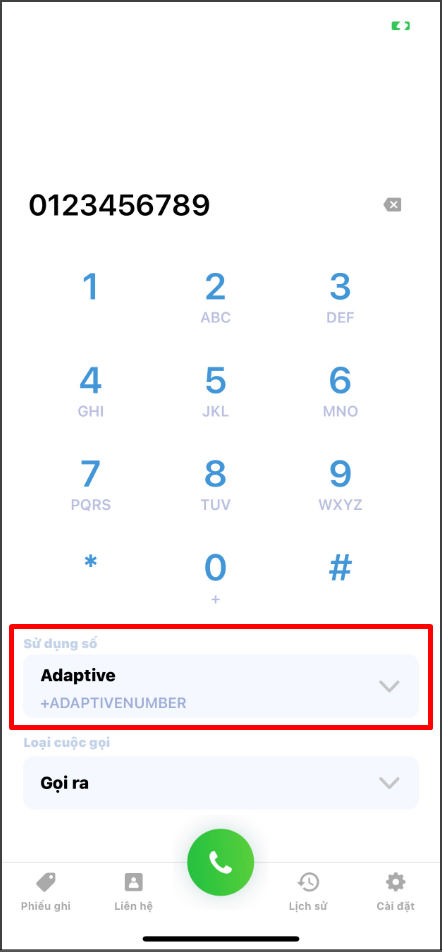
* **Select a hotline:** The user selects the appropriate hotline number to call out to the Customer.

<figure><img src="/files/FCHr7J7PnQfvA2gJ22mV" alt="" width="332"><figcaption><p>Image 3: Select a hotline</p></figcaption></figure>

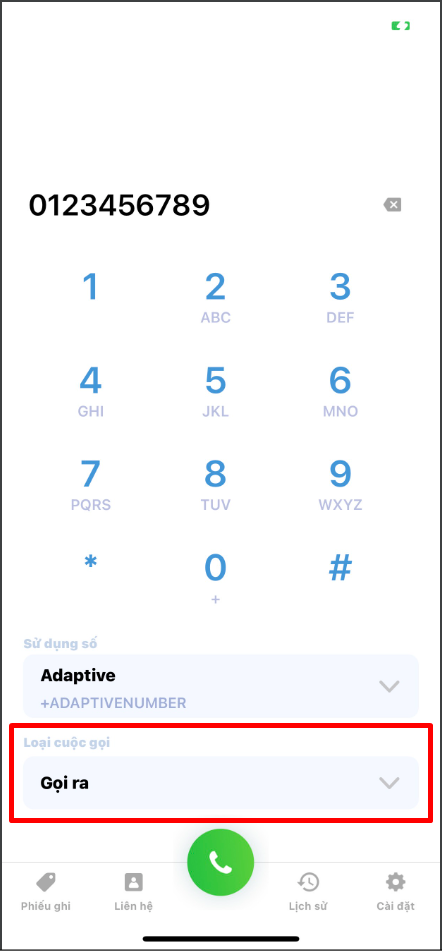
* **Call type:**

<figure><img src="/files/RqNtNpicaCOk6kdKthOr" alt="" width="332"><figcaption><p>Hình 4: Loại cuộc gọi</p></figcaption></figure>

&#x20;     **- Select call type:** The system will have a message notification asking you what type of call you want to choose.

&#x20;     **- Video call via internet:** Internal video calling between users on the system.

&#x20;     **- Voice call via internet:** internal voice calls between users on the system.

&#x20;     **- Phone call:** The system makes a call to the phone number entered above via the internet. When there is a connection (ringing) to the Guest side, it will be a normal GSM call.

**Note:** *To maintain stable and clear call quality, users need to ensure that the internet connection they are using must be really good and stable.*

## Interface “call in-progress”

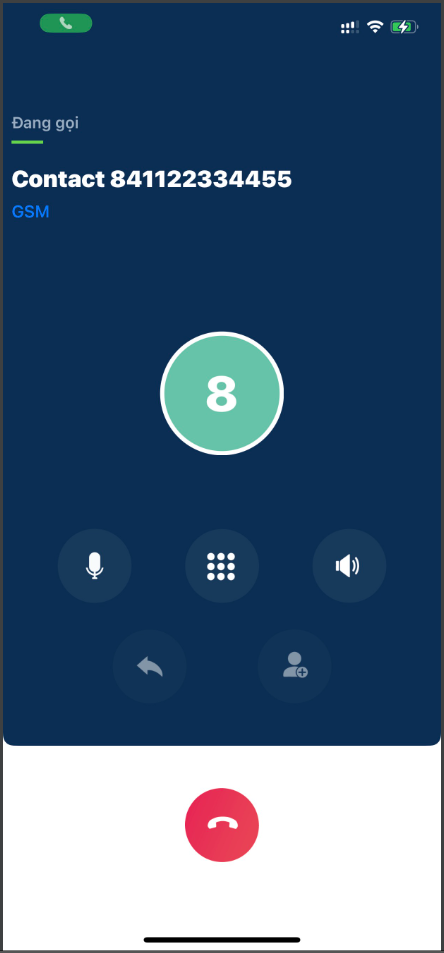
After entering the number, selecting items at the softphone and making a call out, the user will be taken to the interface:

<figure><img src="/files/7vHSTaWYSIk8C3LSAr0E" alt="" width="333"><figcaption><p>Image 5: Interface “call in-progress”</p></figcaption></figure>

Here the user can manipulate the following options:

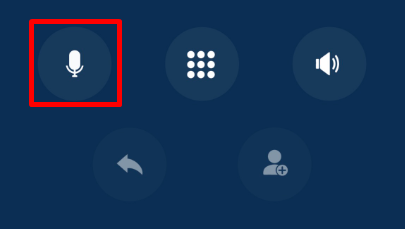
* **Mic:** Enable/disable mic during calls.

<figure><img src="/files/7jWKyXeQbR43jChatqMw" alt=""><figcaption><p>Image 6: Mic</p></figcaption></figure>

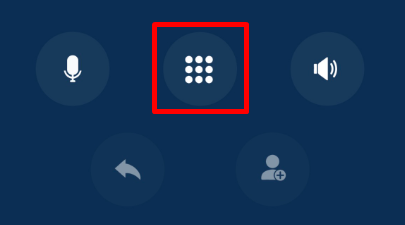
* **Keypad:** Allows the user to press the key when making a call.

<figure><img src="/files/GpEeakbB8BqUwK6ckHgH" alt=""><figcaption><p>Image 7: Keypad</p></figcaption></figure>

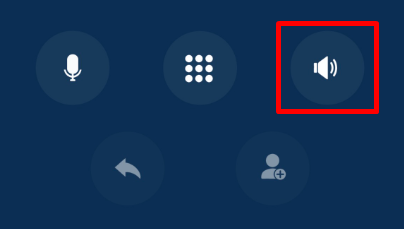
* **Speaker:**  Enable/disable speaker when making a call.

<figure><img src="/files/vDb7NCNGFjD9B3kXkyhA" alt=""><figcaption><p>Hình 8: Loa ngoài</p></figcaption></figure>

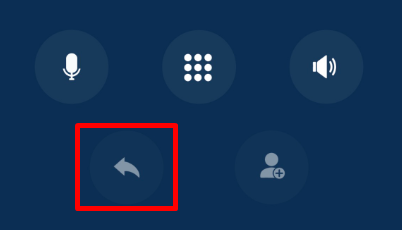
* **Transfer call:** Users can transfer calls during making or receiving calls.

<figure><img src="/files/C7kq4GWC0lZs7fjmoNiO" alt=""><figcaption><p>Image 9: Transfer call</p></figcaption></figure>

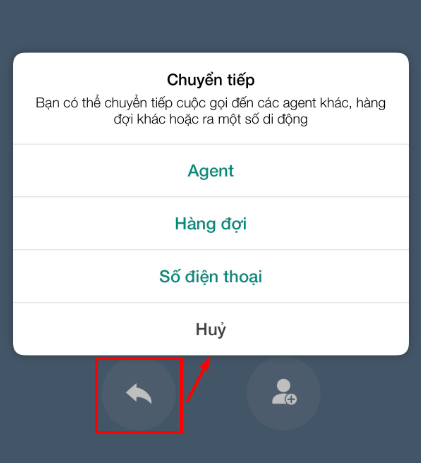
&#x20;      When transferring a call, the user can choose from the following options:

<figure><img src="/files/HHe0CllPn9kXdjywEY8J" alt=""><figcaption><p>Image 10: Call transfer options</p></figcaption></figure>

&#x20;    **-** [**Agent**](/stringeex-tong-dai-cham-soc-and-quan-ly-khach-hang/en/ii.-system-features/9.-settings/9.2-hr-and-team-management/9.2.1-personnel.md)**:** transfers a call to 1 user on the system.

&#x20;     **-** [**Queue**](/stringeex-tong-dai-cham-soc-and-quan-ly-khach-hang/en/ii.-system-features/9.-settings/9.1-service-management-customer-service/9.1.4-configure-receiving-channels/channels/queue.md)**:** transfer the call to a queue created on the system.

&#x20;     **- Phone number:** The user will enter the phone number to transfer the call or select the number directly from the phone book on the phone device.

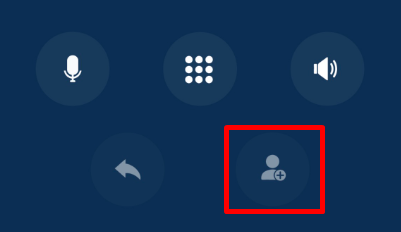
* **Add people to the call:** Users can add other users on the system to the call.

<figure><img src="/files/PKpkmiEHNMtPZ1wWl5Bi" alt=""><figcaption><p>Image 11: Add people to the call</p></figcaption></figure>


---

# Agent Instructions: Querying This Documentation

If you need additional information that is not directly available in this page, you can query the documentation dynamically by asking a question.

Perform an HTTP GET request on the current page URL with the `ask` query parameter:

```
GET https://help.stringeex.com/stringeex-tong-dai-cham-soc-and-quan-ly-khach-hang/en/iii.-mobile-app/ios-app/4.-make-a-call.md?ask=<question>
```

The question should be specific, self-contained, and written in natural language.
The response will contain a direct answer to the question and relevant excerpts and sources from the documentation.

Use this mechanism when the answer is not explicitly present in the current page, you need clarification or additional context, or you want to retrieve related documentation sections.